
Imagine you're 16 years old. Selling newspaper subscriptions door to door. Competing against salespeople in their 20s and 30s with better pitches, more confidence, and way more reps.
You're dead last.
You COULD grind harder, work longer hours, perfect your script. But instead you do something none of your competitors ever thought to do.
You look at the data about who's actually buying the newspapers.
I've written more about this in Why Most $1M CEOs Fail at $10M.
Finding Patterns
And you find a pattern: Every single buyer moved into their home in the last 90 days.
- New homeowners were setting up routines
- Establishing utilities
- Building a sense of belonging
And having a newsletter subscription was the cherry on the cake to feel integrated.
So while everyone else knocks on random doors, you walk into the county clerk's office. Pull public records of every home sold in the last 90 days. Free information.
And you only knock on THOSE doors.
This is exactly the kind of thinking that separates those who struggle to grow from those who amplify what works. Instead of doing more of what isn't working, they find leverage.
The Results
- 1 sale per 100 doors → 1 sale per 8
- Daily sales up 1,200%
- Fewer hours worked
- Dead last → #1 on the leaderboard
Your competitors can't figure out how you did it.
Well, it had little to do with talent. You got better at finding the right people instead of convincing the wrong ones.
This lesson applies whether you're a teenager selling subscriptions or a founder trying to stop being your startup's superman. The goal isn't to outwork everyone. It's to find the path they aren't taking.
The Same Principle
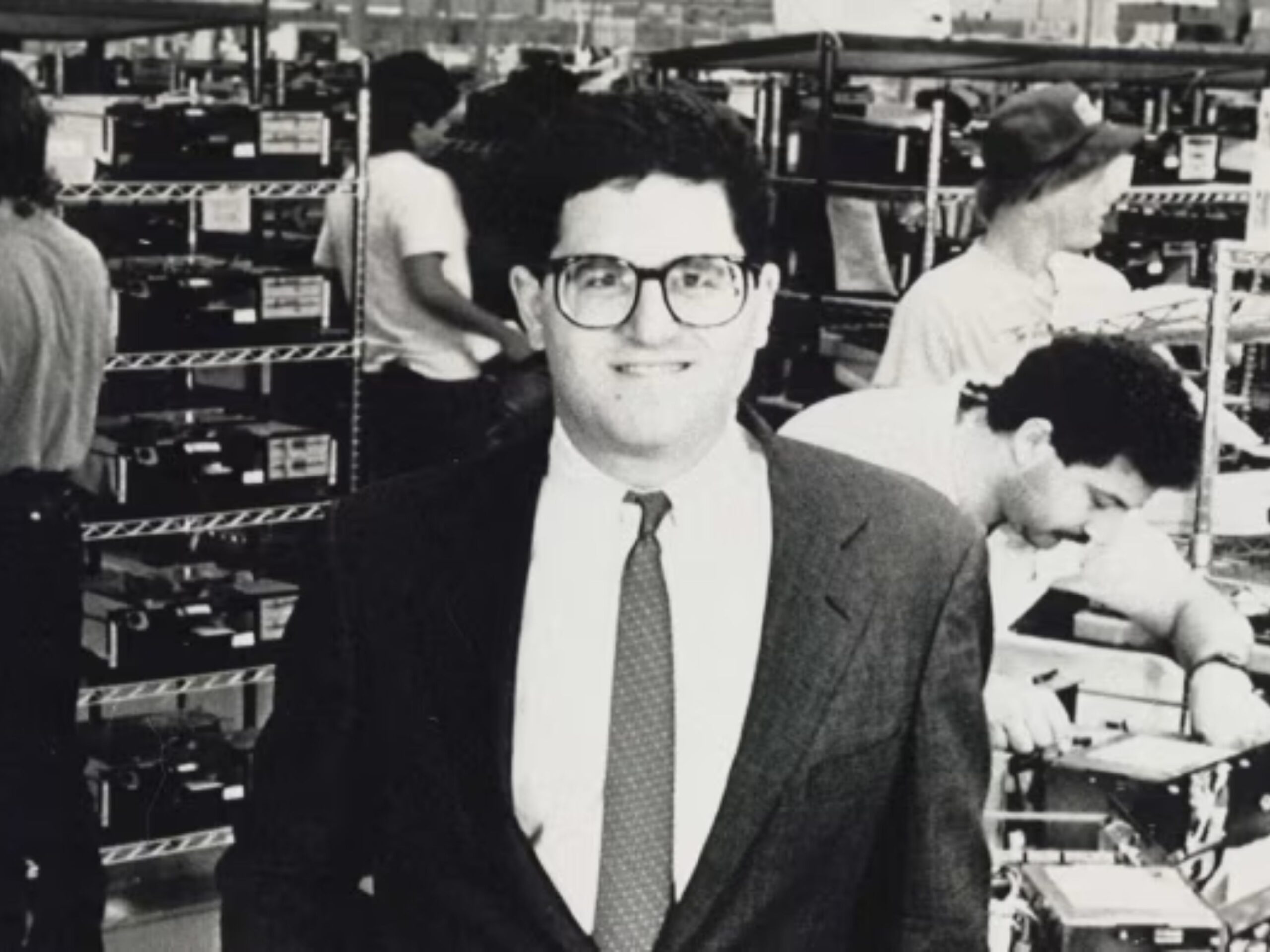
This was Michael Dell at 16. And he used the exact same principle to build Dell Computer.
When he entered the PC market, he didn't try to out-Apple Apple or out-IBM IBM. He ignored retail shelves entirely.
Instead, he focused on a very specific customer: Business buyers who wanted custom-built machines and direct relationships.
And built everything around them.
That strategy made him:
- The youngest Fortune 500 CEO
- A decades-long tech leader
- Over $50B in personal wealth
The Takeaway
The lesson from the paper route never changed: Success doesn't come from being marginally better at serving everyone. It comes from being way better at serving a specific someone.
Finding the right people beats convincing the wrong ones every single time. Whether you're selling newspaper subscriptions or building a tech empire, the principle remains the same. Focus on who actually needs what you're offering, and build everything around them.
See you at $1b.